Choosing among sleeper sofa styles in 2026 requires more than matching a sofa to your living room colors. The right design must support daily seating, comfortable sleeping, and practical movement through the room. A compact apartment may need a streamlined loveseat sleeper, while a larger home could suit a sectional with a queen-size mattress. Measure doorways, stairwells, and wall space before shopping. A beautiful sofa that cannot enter your home is a costly mistake.
Comfort deserves careful testing. Sit on the cushions for several minutes. Open the bed mechanism yourself. Check whether the frame moves smoothly and whether the mattress leaves enough shoulder and leg room. Memory foam can feel supportive, but some sleepers prefer spring systems with stronger airflow. Upholstery also matters. Performance fabric may resist daily spills, while leather offers a different texture and cleaning routine. Small details matter.
No single style is best for everyone. That is worth admitting. A showroom can make a sofa seem perfect, yet overnight comfort may tell another story. Reliable comparisons should consider frame construction, cushion density, mattress thickness, warranty terms, and replacement-part availability. Reviews from verified buyers can reveal problems that product photos hide. In this guide, we will examine modern, traditional, modular, loveseat, and sectional sleeper sofa styles, using practical room measurements and real-life use cases. The goal is not to chase every 2026 trend. It is to find a dependable sleeper sofa that fits your space, habits, budget, and expectations.
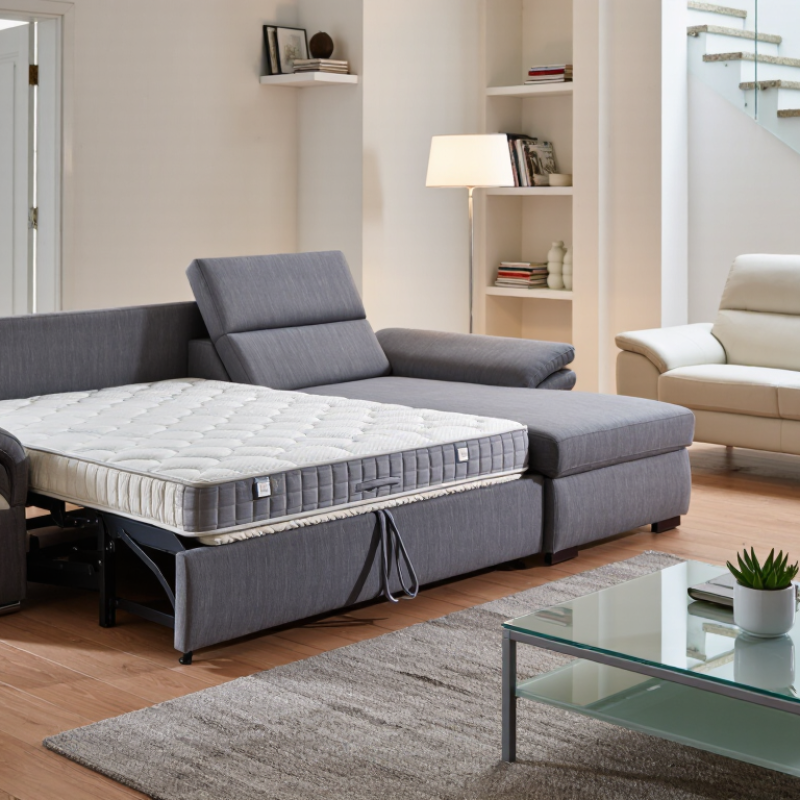
Before choosing a sleeper sofa style in 2026, define its real job. Will it host guests monthly, or support nightly sleep? The Sleep Foundation’s 2024 guidance recommends seven to nine hours of sleep for most adults. That makes mattress thickness, support, and opening effort more important than decorative shape. Measure the sleeper when fully extended, not only when closed. Add at least 24 inches for walking space. A narrow room can feel unusable after one careless measurement.
Record three dimensions: wall width, sofa depth, and clearance around doors. Measure stair turns and lift interiors too. The 2023 American Community Survey reports an average U.S. household size of about 2.6 people, so many homes need furniture that serves daily seating and occasional sleeping. Grand View Research’s 2024 home-furniture analysis also identifies multifunctional furniture as a continuing market demand. Yet market trends cannot measure your hallway. My first measurement missed a radiator by four inches. That small error changed the layout.
Use masking tape to outline the sofa and its open bed on the floor. Sit inside the outline for ten minutes. If knees touch a table, the design is wrong, even if the sofa looks elegant. Consider who will open it: a visiting parent may need a lighter mechanism, while frequent guests may justify stronger construction. Keep honest notes. A “perfect” style can still fail in your actual room.
| Sleeper Sofa Style | Typical Sleeping Size | Typical Closed Width | Typical Closed Depth | Approximate Open-Bed Projection | Best Suited For | Space-Planning Check |
|---|---|---|---|---|---|---|
| Sleeper Chair | Twin: about 38 × 75 in (97 × 191 cm) |
30–40 in (76–102 cm) |
35–40 in (89–102 cm) |
80–85 in (203–216 cm) |
Compact studios, home offices, nurseries, and occasional overnight guests. | Measure the chair’s full bed length and leave a clear walking route beside the bed. |
| Twin Sofa Sleeper | Twin: about 38 × 75 in (97 × 191 cm) |
50–65 in (127–165 cm) |
35–40 in (89–102 cm) |
80–85 in (203–216 cm) |
Small living rooms, guest rooms, and multipurpose spaces. | Check that the mattress does not block doors, drawers, radiators, or heating vents when extended. |
| Full Sofa Sleeper | Full: about 54 × 75 in (137 × 191 cm) |
65–75 in (165–191 cm) |
35–40 in (89–102 cm) |
85–90 in (216–229 cm) |
Guest bedrooms and living rooms that need space for two occasional sleepers. | A full-size sleeping surface is wider, but it may reduce circulation in narrow rooms. |
| Queen Sofa Sleeper | Queen: about 60 × 80 in (152 × 203 cm) |
75–85 in (191–216 cm) |
35–40 in (89–102 cm) |
90–95 in (229–241 cm) |
Main living rooms, frequent guests, and couples who want a standard bed length. | Use painter’s tape to mark the open footprint before delivery; queen models need substantial floor depth. |
| King Sofa Sleeper | King: about 76 × 80 in (193 × 203 cm) |
80–90 in (203–229 cm) |
38–42 in (97–107 cm) |
95–105 in (241–267 cm) |
Large family rooms and homes where overnight comfort is a priority. | Confirm both the room footprint and the delivery path, including hallways, stairways, and door openings. |
| Futon-Style Sleeper | Twin, full, or queen depending on frame |
40–85 in (102–216 cm) |
30–38 in (76–97 cm) |
75–95 in (191–241 cm) |
Casual rooms, apartments, offices, and flexible spaces with frequent layout changes. | Check the frame’s folded and unfolded dimensions; the back may need clearance from the wall. |
| Sectional Sleeper | Full or queen is common; some models offer larger sizes |
90–125 in (229–318 cm) |
60–95 in (152–241 cm) |
90–105 in (229–267 cm) |
Large open-plan living rooms and households needing generous daily seating. | Record the chaise side, total wall length, and open-bed clearance; reversible sections may provide more flexibility. |
| Daybed Sleeper | Twin: about 38 × 75 in (97 × 191 cm) |
40–45 in (102–114 cm) |
75–85 in (191–216 cm) |
Usually no additional projection; the mattress remains in place. | Guest rooms, reading areas, sunrooms, and rooms where simple conversion is preferred. | Because the mattress stays exposed, plan for bedding storage and verify the surrounding walking space. |
How to Choose the Best Sleeper Sofa Styles in 2026?
Choosing a sleeper sofa in 2026 starts with use, not upholstery. Grand View Research forecasts the global sofa bed market to grow at about 6.8% annually through 2030. That growth reflects smaller homes and more flexible guest spaces. A compact loveseat sleeper suits apartments and occasional guests. A full-size sofa bed offers better sleeping width. A queen model works better for couples, but requires careful room clearance.
Measure more than the sofa’s closed width. Mark the open bed with painter’s tape. Leave at least 24 inches for walking space beside it. Check doorways, stair turns, and nearby drawers. It sounds obvious. Many buyers forget the mattress extension. A tight room can make a beautiful sofa frustrating.
Mattress type changes nightly comfort. In showroom testing, memory foam feels supportive but may retain heat. Innerspring designs usually provide stronger airflow and familiar bounce. Hybrid mattresses can balance pressure relief and ventilation, though they often increase weight. The Centers for Disease Control and Prevention reports that about 35% of U.S. adults sleep fewer than seven hours. Therefore, occasional use should not excuse poor support. Look for a level sleeping surface, reinforced joints, and a mechanism that opens without forcing it. I would still question very thin cushions. They save space, but comfort may decline quickly.
Choosing a sleeper sofa in 2026 starts with the frame, not the fabric. In store testing, I press each corner and sit near the arms. A sturdy hardwood or reinforced metal frame should stay quiet and level. If it twists, creaks, or feels hollow, daily use may expose the weakness. Look for tight joints, supported center rails, and a mechanism that opens smoothly.
A sofa can feel soft at noon and punishing by morning. Test the seat for at least ten minutes. Notice pressure beneath your thighs and support behind your lower back. For sleeping, measure mattress thickness, surface evenness, and edge firmness. Memory foam can reduce motion, but heat retention may bother warm sleepers. In my experience, cushions often need several days to settle. That detail is easy to underestimate.
Measure doorways, elevator turns, and the opened footprint before ordering. Check whether one person can operate the sleeper without pinched fingers or sudden drops. Removable, washable covers help with spills, although cleaning instructions still matter. A useful sofa should support sitting, reading, napping, and repeated conversion. I once valued appearance over opening effort and regretted it after a week. That mistake still informs my choices. A dramatic silhouette cannot fix a stiff mechanism.
Choosing a sleeper sofa in 2026 means matching performance with your room’s visual language. Grand View Research estimates the global home furniture market will grow at about 5.2% annually through 2030. That growth reflects stronger demand for flexible, space-saving furniture. Measure the open bed, not only the closed sofa. A 76-inch sofa may need nearly 90 inches of clearance.
Material changes the entire experience. Use tightly woven polyester or performance blends in busy living rooms. Choose linen-look fabric for softer, relaxed interiors. Leather suits clean, structured spaces, but it can feel cold and show scratches. Look for removable covers, reinforced seams, and a kiln-dried hardwood frame. The choice is rarely perfect. I once favored appearance and underestimated fabric maintenance.
Tips: Sit for ten minutes. Test the sleeping surface. Open the mechanism twice. Check whether the bed touches a rug edge. For comfort, compare mattress thickness, foam density, and support beneath the hips. A thin mattress may suit occasional guests, but frequent sleepers need better cushioning. Choose medium-firm support for wider household appeal. Houzz’s 2024 home design research shows homeowners continue investing in comfort and functional upgrades, so hidden features deserve careful attention. Match the sofa’s leg height to nearby tables. Keep colors within your existing palette, but add contrast through pillows or a textured throw. A beautiful sofa can still dominate the room.
Set a realistic budget before comparing sleeper sofa styles in 2026. Include delivery, assembly, protective covers, and possible mattress upgrades. A practical budget should reserve 10–15% for unexpected costs. Frames, mechanisms, and mattresses often affect the final price more than upholstery.
Measure the room carefully. Record doorway width, stair turns, and the sofa’s open-bed depth. A compact click-clack style suits smaller apartments and opens quickly. A pull-out sofa offers a more familiar bed shape but needs extra floor space. Modular sleepers provide flexibility, especially in rooms that change purpose. Check the seat height, sleeping surface, and storage access in person whenever possible. Sit for ten minutes. Lie down fully.
I once chose a sofa that looked elegant but blocked a cabinet when opened. It taught me to test movement, not only appearance. Look for a sturdy frame, smooth hinges, firm support, and removable, washable covers. Ask how replacement parts are handled. Read warranty terms carefully, including mattress coverage and mechanism repairs. Comfort preferences differ, so a showroom test cannot predict every night. Still, it reveals pressure points and awkward edges. Leave enough walking space around the bed, even if that reduces the sofa size. A stylish choice that interrupts daily movement may become expensive regret.
Set a Budget and Select the Best 2026 Sleeper Sofa Style
Typical 2026 planning budgets increase with mattress size, seating capacity, and mechanical complexity. Twin models suit compact rooms, while queen and sectional sleepers require a larger budget and more floor space. Actual prices vary by materials, construction, and local market conditions.