2026 Top Corner Sectional Sofas for Global Buyers?
The 2026 market for corner sectional sofas is becoming more design-conscious, space-efficient, and globally connected. Buyers now compare modular layouts, fabric performance, delivery reliability, and after-sales support before choosing a sofa. It is not only about appearance.
Grand View Research identifies continued growth in the global furniture market, supported by urban housing, online retail, and demand for adaptable interiors. Euromonitor International also highlights changing household structures and smaller living spaces as important furniture trends. These findings matter because a corner sectional sofa must work in real rooms, not only in showroom photographs.
A 2026 buyer may need a reversible chaise for a narrow apartment. Another may need deep seating for a family room, stain-resistant fabric, or compression-tested foam. Measurements become critical. A three-centimeter error can block a doorway.
Dieter Rams, a respected furniture and product-design authority, said, “Good design is as little design as possible.” That principle suits corner sectional sofas with clean lines, practical storage, and replaceable modules. However, minimal design does not guarantee comfort. That assumption deserves questioning.
This guide compares leading corner sectional sofas for global buyers through construction, dimensions, materials, comfort, maintenance, shipping considerations, and value. It considers regional preferences without pretending that one model fits every culture or home. Some published market figures use different definitions, so direct comparisons remain imperfect. That limitation matters.
The strongest choice may not be the largest sofa. It may be the one that fits the elevator, survives daily use, and still feels comfortable after five years.
2026 Global Corner Sectional Sofa Types: L-Shape, U-Shape, and Modular Systems
2026 Top Corner Sectional Sofas for Global Buyers
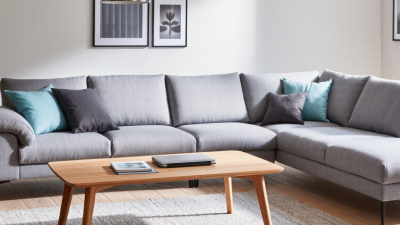
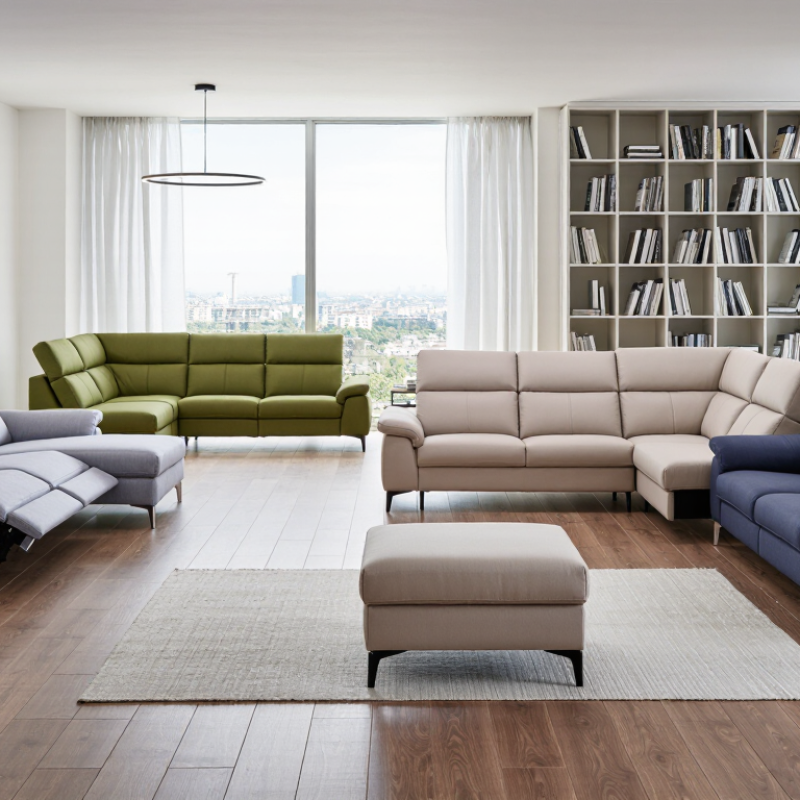
For 2026, global buyers are comparing more than appearance. They need corner sofas that fit different room sizes, shipping conditions, and daily habits. L-shape sectionals remain practical for apartments and open-plan living rooms. One side can face a television, while the shorter return defines a reading corner. Measure every wall, doorway, lift, and stair turn before ordering. A beautiful sofa can still fail at the entrance.
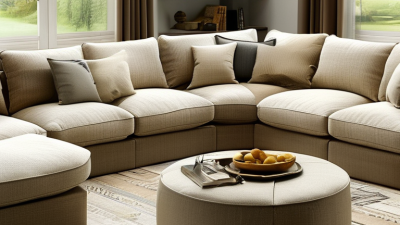
U-shape sectionals create a stronger social setting. They surround a central table and offer generous seating for families, lounges, and hospitality spaces. However, they consume more floor area and may restrict movement. Keep clear walking paths around the outer edges. Deep seats feel luxurious, but shorter users may need firm cushions or additional support. Comfort is not universal.
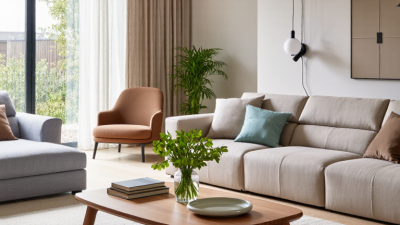
Modular systems provide the greatest flexibility. Buyers can combine corner units, armless seats, ottomans, and chaise sections as room needs change. This design also simplifies replacement and relocation. Check connector strength, cushion alignment, foam density, fabric performance, and cleaning instructions. Local climate matters too. Breathable upholstery suits warm regions, while tightly woven textiles can help in busy commercial interiors. Specifications are useful, but they do not reveal everything. Sit on the cushions. Open the mechanism. Inspect the underside. Even experienced buyers can overlook a small gap between modules.
Ergonomic Benchmarks: 40–50 cm Seat Heights and 55–65 cm Seat Depths
For global buyers comparing 2026 corner sectional sofas, seat proportions deserve more attention than dramatic styling. A 40–50 cm seat height usually supports easier sitting and standing. Measure from the floor to the cushion’s compressed surface, not the frame. Soft cushions can sink several centimeters after regular use. That detail is easy to miss.
A 55–65 cm seat depth offers useful flexibility for different body types. Around 55 cm suits upright reading, dining, or frequent conversation. Deeper seats near 65 cm feel relaxed, especially with lumbar cushions. However, excessive depth may leave shorter users unsupported. Check whether your heels rest naturally on the floor. Keep a small cushion nearby. It changes the experience.
In practical showroom testing, sit for at least ten minutes. Notice pressure behind the knees, shoulder tension, and whether your lower back stays supported. Corner sections often feel deeper because their back cushions angle differently. Ask for finished measurements, cushion density, fabric performance, and replacement-cover options. I once judged a sofa by its showroom comfort alone, then found the seat too low after delivery. That mistake still influences how I assess furniture. Room scale, footwear, and local sitting habits can alter the ideal range, so these benchmarks should guide testing rather than replace it.
2026 Top Corner Sectional Sofas for Global Buyers
Ergonomic screening benchmarks commonly used for this comparison are a 40–50 cm seat height and a 55–65 cm seat depth. The midpoint values of 45 cm and 60 cm provide a practical reference for initial product evaluation. Final comfort should also be checked with cushion compression, backrest angle, and user body dimensions.
Build-Quality Standards: BIFMA X5.4, EN 12520, and 50,000-Cycle Testing
2026 Top Corner Sectional Sofas for Global Buyers?
Build quality should be verified, not assumed from photographs. BIFMA X5.4 evaluates lounge and public seating through load, stability, strength, and durability tests. EN 12520 sets safety, strength, and durability requirements for domestic seating. Buyers should request the exact edition used.
A credible laboratory report should identify the frame, corner joints, cushions, and test loads. It should also record at least 50,000 repeated-use cycles for the sofa mechanism or seating area. The cycle count is useful. It is not a lifetime promise. It is an imperfect proxy for years of sitting, leaning, children, and uneven loading.
Industry testing data shows why consistency matters. BIFMA’s published seating test protocols use controlled loads and repeated movements, while EN 12520 separates strength, durability, and safety performance. These documents do not automatically certify every sectional configuration. A longer corner chaise may behave differently from a standard seat. Ask for reports covering the exact model, not a similar sample. Check photos of failed joints, permanent seat deformation, and post-test wobble. Small gaps matter. A strong frame can still feel poor if the webbing stretches early or the foam loses height. Independent reports, traceable sample codes, and production-batch records provide stronger evidence than marketing claims.
Global Buyer Scorecard: 1.2–2.0 m Modules, Packaging, Warranty, and Compliance
2026 Top Corner Sectional Sofas for Global Buyers
A practical scorecard starts with module width: 1.2, 1.6, and 2.0 metres. Smaller modules suit elevators and narrow staircases. Larger modules reduce joins but increase handling risk. Grand View Research estimated the global furniture market at about USD 516.6 billion in 2023, with continued growth expected through 2030. That growth rewards adaptable designs, not oversized claims. I would score seat comfort, frame strength, fabric rub resistance, and replacement-part access separately. Comfort remains subjective. Measure it.
Packaging deserves equal attention. Ask for carton dimensions, packed weight, pallet limits, and loading diagrams. Request ISTA 3A-style testing or equivalent evidence for parcel and transport hazards. Use corner blocks, compression-resistant panels, sealed fabric bags, and moisture barriers. The European Environment Agency reported 186.5 kilograms of packaging waste per person in the EU in 2022. Less packaging is valuable, but weak packaging creates more damage and waste. A real test report beats attractive photographs.
Warranty terms should identify frame, springs, foam, covers, mechanisms, and labour separately. A two-year minimum may be commercially sensible, but local requirements differ. Require clear exclusions and a parts-availability period. Compliance files should match destination markets, including chemical, flammability, labelling, and product-safety requirements. EN 12520 and EN 12521 can support seating assessment, but they do not replace national rules. Keep test dates visible. I would also score response time and claim handling. Many warranties look strong until a replacement arm is unavailable.