7 Tips for Buying Power Headrest Recliners?

Choosing power headrest recliners is not simply a matter of pressing a showroom button. The right model should support your body, room, habits, and budget. A chair that feels perfect for five minutes may create pressure behind your knees after an evening movie.

The global home furniture market was valued at approximately $516.7 billion in 2022, according to Grand View Research. Its report also projects steady growth through 2030. These figures show a crowded and expanding market, but they do not guarantee better comfort. Recliner-specific estimates vary between research firms, so shoppers should treat market numbers as context, not proof of quality. Product testing still matters more.

Norwegian furniture designer Peter Opsvik said, “The best sitting position is the next position.” That principle is useful when comparing power headrest recliners. Check whether the headrest supports your neck without pushing your chin forward. Test the lumbar area, footrest extension, motor noise, and return policy. Notice the details.

A reliable buying decision also requires practical measurements. Record your doorway width, wall clearance, seat height, and fully reclined length. Measure twice. Consider fabric durability, USB placement, child-safety features, and power-outage behavior. Some buyers overlook these points.

The following seven tips examine fit, construction, controls, materials, maintenance, safety, and long-term value. They cannot predict every personal preference. Your posture, height, and daily routine remain decisive. That is the honest limitation.
7 Tips for Buying Power Headrest Recliners?

Understanding Power Headrest Recliner Features and Benefits

7 Tips for Buying Power Headrest Recliners

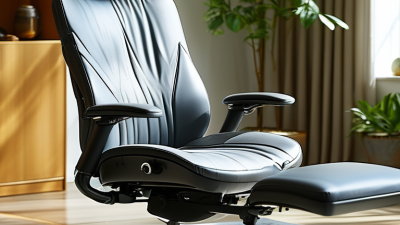
A power headrest recliner should support your neck without pushing your chin forward. Sit fully back and adjust the headrest slowly. Your eyes should face the room, not the ceiling. Test the control buttons with one hand. They should feel clear and easy to reach. Some models use separate motors for the footrest and headrest. This allows more precise positioning, especially while reading or watching television. Listen to the motor, too. A soft, steady sound usually feels less disruptive in quiet rooms.

Check the chair’s fit before focusing on appearance. Your heels should rest comfortably when the footrest rises. The seat should support your hips without pressing behind your knees. Measure doorways and nearby furniture carefully. Power headrests can add useful comfort, but they also require wall space and electricity. Ask about battery backup or manual release options during outages. A power feature is less helpful when it cannot move. That sounds obvious, yet shoppers often miss it.

Look for durable upholstery, reinforced seams, and a stable frame. Review the warranty terms, including motor coverage and service limits. Keep controls away from children and pets, where practical. I once thought more adjustment was always better. It was not. Too many positions can feel confusing without good control labels. Test the recliner for ten minutes, not one minute. Notice pressure points, motor timing, and whether the headrest stays steady. Personal comfort still matters more than impressive specifications.
Choosing the Right Recliner Size, Style, and Upholstery

7 Tips for Buying Power Headrest Recliners

Choosing the right recliner starts with accurate measurements. Measure the doorway, wall space, and available floor area before shopping. Leave enough clearance for the footrest and reclining back. A chair that fits the room may still feel cramped. Check the seat depth against your leg length. Your feet should rest comfortably on the floor when seated.

Consider the room’s style, but prioritize daily comfort. A clean silhouette suits modern spaces, while soft curves can warm a traditional room. Test the power headrest with your neck supported, not pushed forward. The controls should be easy to reach and operate. Small details matter. Compare fabric and leather samples in your own lighting. Light upholstery can show marks quickly, while textured fabric may hide minor wear. Ask about cleaning instructions, seam strength, and color resistance.

Sit in the recliner for several minutes. Notice pressure behind your knees and support around your lower back. Listen for unusual motor noise. Check whether the headrest stops at a useful height. A USB port can be convenient, but it should not replace solid construction. Inspect the frame, padding, and control response carefully. I once chose a chair by appearance alone and regretted its shallow seat. That mistake still influences how I shop. Read the warranty terms and confirm repair support before paying. Availability can vary by region.

7 Tips for Buying Power Headrest Recliners? – Choosing the Right Recliner Size, Style, and Upholstery

Buying Tip What to Measure or Compare Practical Guideline Why It Matters
1 Choose the Correct Seat Size Measure the user’s height, hip width, seated shoulder height, and lower-leg length. Compare these measurements with the recliner’s seat width, seat depth, and seat height. A useful starting point for many adults is a seat height of approximately 18–20 inches and a seat depth of approximately 20–22 inches. While seated upright, the feet should rest flat on the floor and there should be about 2–3 inches between the seat edge and the back of the knees. The correct proportions support the thighs, reduce pressure behind the knees, and help the headrest align with the back of the head.
2 Check the Full Reclined Footprint Measure the available floor depth from the front of the chair to the wall, furniture, or walkway behind it. Also check the chair’s width and doorway clearance. Many power recliners need approximately 65–75 inches of front-to-back space when fully reclined, although wall-hugger designs may require less. Leave a clear walking path and confirm the packaged dimensions before delivery. A recliner can fit in its upright position but still block a walkway, strike a wall, or prevent nearby furniture from opening when fully extended.
3 Match the Style to the Room Compare the chair’s silhouette, arm width, back height, stitching, color, and visual weight with the existing furniture. Traditional styles often use rolled arms and plush cushioning; contemporary styles commonly feature clean lines and narrower arms; transitional designs combine simple shapes with softer details. Measure the room first rather than choosing by appearance alone. Arm thickness and back height can significantly affect both usable seating space and how large the recliner appears in a living room.
4 Select Upholstery for Use and Maintenance Compare fabric composition, abrasion resistance, cleanability, colorfastness, texture, and resistance to pets or spills. Performance fabrics are generally practical for frequent use and households with children or pets. Top-grain leather is durable and develops a patina, while bonded or coated materials may have different aging characteristics. Always follow the care label and test cleaning products on an inconspicuous area. Upholstery affects comfort, temperature, appearance, odor retention, and the long-term cost of maintaining the chair.
5 Evaluate the Power Headrest and Controls Test the headrest range, control location, button visibility, motor noise, movement speed, and whether the controls are easy to operate while seated. The headrest should support the back of the head without forcing the neck forward. Check whether the headrest and footrest can be adjusted independently and whether the control system includes a return-to-upright function. Independent adjustment allows better support for reading, watching television, resting, and maintaining a neutral neck position.
6 Confirm Electrical and Safety Details Review the power-cord location, outlet position, cable routing, emergency or manual release information, weight capacity, and any child-safety instructions. Keep the power cord away from pinch points and moving mechanisms. Do not use an extension cord unless the manufacturer specifically permits it. Verify that the listed weight capacity covers the intended user and any normal movement while reclining. Proper electrical placement and adequate load capacity reduce the risk of cable damage, unstable operation, and premature motor wear.
7 Test Comfort and Support Before Buying Sit in the chair for at least several minutes in upright, partially reclined, and fully reclined positions. Check lumbar support, cushion firmness, arm height, head support, and ease of standing. The lower back should feel supported without a gap, the shoulders should remain relaxed, and the knees should not rise sharply above the hips. Test the chair with normal footwear and confirm the return policy, assembly requirements, and coverage for the frame, motor, electrical parts, and upholstery. Short-term showroom comfort can change after extended sitting; testing multiple positions helps reveal pressure points and difficult controls.

Dimensions are general buying guidelines. Always verify the exact product specifications, required clearance, user weight capacity, and care instructions before purchase.

Evaluating Comfort, Support, and Headrest Adjustability

7 Tips for Buying Power Headrest Recliners?

Evaluating Comfort, Support, and Headrest Adjustability

A power headrest recliner should support your body, not simply look soft. Sit in it for at least ten minutes. Notice pressure behind your knees, lower back, and shoulders. Your feet should rest naturally when the footrest opens. I once chose a chair that felt plush in a showroom. After an hour, my hips felt strained. That mistake taught me to test posture, not padding alone.

Check whether the headrest moves smoothly and stops at several positions. Your head should remain level, while your neck feels supported without being pushed forward. Adjust the recline angle and headrest together. A good fit keeps your eyes facing the room, not the ceiling. Test the controls with one hand. They should be clear, responsive, and easy to reach from a relaxed position. Small control delays can become surprisingly irritating.

Support also depends on your height and sitting habits. Taller users may need a higher back and deeper seat. Smaller users often need firm lumbar support without excessive seat depth. Measure your preferred sitting space before buying. Pay attention to motor noise, movement speed, and stability during adjustment. Quiet operation feels refined, but it does not replace proper support. Be honest about your routine. If you read, watch television, or nap there daily, test each position for comfort. I still think a brief store visit can mislead you, especially when excitement hides minor pressure points.

Comparing Power Options, Controls, and Safety Features

7 Tips for Buying Power Headrest Recliners?

When comparing power options, check how each motor moves the chair. A single motor may adjust the footrest and back together. A dual-motor design gives separate control for both areas. That difference matters when your knees need support but your back feels comfortable. Test the motion slowly. Listen for grinding, hesitation, or uneven movement.

Controls should feel simple in real use. Look for large, raised buttons that work without strong finger pressure. A wired handset is harder to lose, while wireless controls reduce cable clutter. Some models include memory settings, USB charging, or illuminated buttons. Useful, but not essential. A charging port should sit near your hand, not behind the cushion. I prefer tactile buttons, though my preference may not suit everyone.

Safety deserves careful attention. Leave enough wall clearance and check whether the footrest stops when an object blocks it. Anti-pinch protection can reduce injury risks around moving joints. Ask whether the power unit has overload protection and a battery backup for outages. Keep cords away from walkways and inspect them for damage. Certification from a recognized testing body adds confidence, but it does not replace careful installation. Sit in the chair for ten minutes. Small discomforts become obvious then. The “perfect” setting may still need adjustment.

Checking Durability, Warranty Coverage, and Overall Value

A power headrest recliner should feel dependable before it feels luxurious. Check the frame, lift the footrest, and listen for grinding or uneven movement. Ask whether the mechanism passed a cycle test, not merely whether it “works.” ASTM D4157 abrasion testing often reports fabric performance in double rubs, such as 20,000 or 30,000 cycles. These figures help compare upholstery, but they do not predict exact household lifespan. Do not guess.

Inspect the motor, wiring, and control buttons. UL 962 addresses electrical safety for applicable household furnishings, but it does not guarantee fabric durability or motor longevity. The U.S. Consumer Product Safety Commission also advises consumers to follow furniture instructions and keep electrical components away from damage and moisture. That small detail matters.

Warranty coverage often reveals the real value. Read every line. Separate frame, mechanism, motor, fabric, labor, and in-home service coverage. A five-year frame warranty may cover only replacement parts, while labor ends after one year. Check exclusions for commercial use, stains, power surges, and unauthorized repairs. The Federal Trade Commission recommends reviewing written warranty terms before purchase. Calculate the full cost, including delivery, disposal, and possible service visits. A lower price may become expensive after one failed motor. I would also test the headrest with your usual pillow. My own imperfect habit is trusting showroom comfort too quickly; a ten-minute test cannot imitate three years of nightly use.

7 Tips for Buying Power Headrest Recliners

A practical evaluation framework for durability, warranty coverage, and overall value

The chart assigns a suggested 100-point evaluation weight to the seven most important buying considerations. Prioritize the frame, reclining mechanism, motor performance, and warranty terms before comparing upholstery style or price. These percentages are a practical decision-making framework, not brand or market-share data.